

Top 10 Popular Trekking Route in Nepal
25 Sep 2025 Santosh Gauli

Nepal is a paradise for trekkers, offering a stunning variety of trails that showcase the world’s tallest peaks, lush green valleys, serene rivers, ancient villages, and the rich Himalayan culture. From the snow-capped mountains of the Everest region to the hidden trails of Annapurna and Mustang, each trek promises breathtaking scenery and unforgettable experiences.
Whether you are a first-time trekker seeking a moderate adventure or a seasoned explorer looking for high-altitude challenges, Nepal has trails for every level. Along the way, you can immerse yourself in local culture, enjoy traditional Nepalese cuisine, and experience the warm hospitality of Himalayan communities.
1. Everest Base Camp Trek
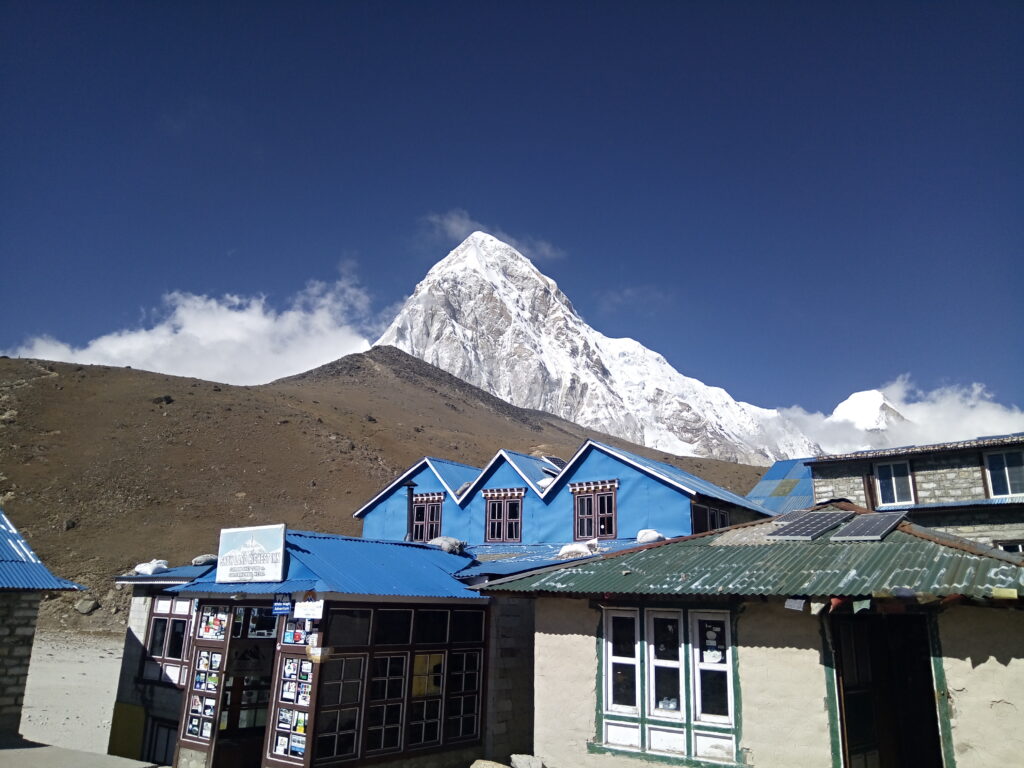
The Everest Base Camp Trek is the most famous trekking adventure in Nepal. It takes you to the foot of Mount Everest (8,848 m), offering incredible views of Lhotse, Nuptse, Ama Dablam, and Cho Oyu.
The trek begins in Lukla and winds through the Khumbu region, passing lush forests, rivers, suspension bridges, and traditional Sherpa villages such as Namche Bazaar, Tengboche, Dingboche, and Lobuche. Highlights include Tengboche Monastery, panoramic mountain vistas, glaciers, and the ultimate goal: Everest Base Camp.
Duration: 12–14 days
Difficulty: Moderate to Challenging
Best Time: March–May & September–November
Itinerary Highlights:
Day 1: Arrive in Kathmandu, transfer to hotel, trekking briefing.
Day 2: Fly to Lukla, trek to Phakding (2,652 m).
Day 5: Trek to Tengboche (3,870 m), visit Tengboche Monastery.
Day 9: Trek to Everest Base Camp (5,364 m), return to Gorak Shep.
Day 10: Sunrise hike to Kala Patthar (5,545 m), trek back to Pheriche.
Tips:
- Hire an experienced guide and porter.
- Carry layered warm clothing.
- Stay hydrated and pace yourself for altitude acclimatization.
2. Annapurna Base Camp Trek
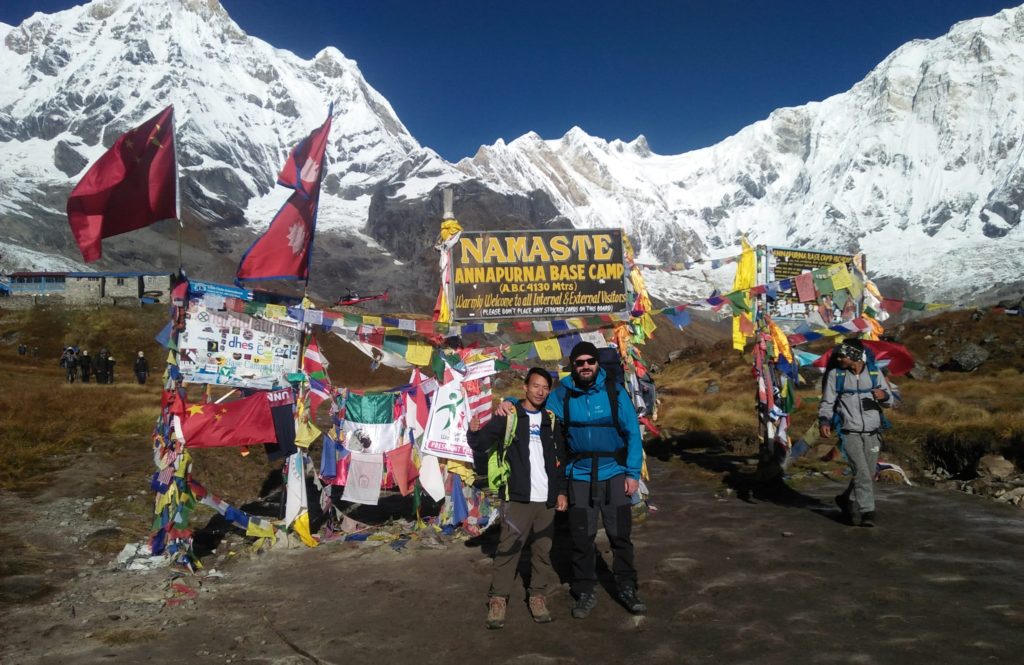
The Annapurna Base Camp (ABC) Trek is one of Nepal’s most celebrated trekking routes, known for its extraordinary natural beauty and cultural richness. Trekkers journey through dense rhododendron and oak forests, cross sparkling rivers, and pass terraced fields and traditional Gurung villages. As you ascend, the landscape transforms from lush green valleys to rugged alpine terrain with breathtaking snow-capped peaks. The trail offers stunning views of Annapurna I, Machapuchare (Fishtail Mountain), and Dhaulagiri, allowing trekkers to feel surrounded by the grandeur of the Himalayas. The ABC trek also provides a chance to experience local life, taste authentic Nepalese cuisine, and witness the simplicity and warmth of mountain communities. This trek is ideal for those seeking a balanced adventure of challenging terrain, scenic vistas, and cultural discovery.
Duration: 7–10 days
Difficulty: Moderate
Best Time: March–May & September–November
Itinerary Highlights:
Day 1: Pokhara → Nayapul → Tikhedhunga (1,540 m)
- Drive from Pokhara to Nayapul (approx. 1.5–2 hours).
- Begin trekking through subtropical forests, rivers, and small villages.
- Overnight stay in Tikhedhunga; enjoy your first Himalayan tea house experience.
Day 2: Tikhedhunga → Ghorepani (2,860 m)
- Trek through terraced fields, rhododendron forests, and scenic hills.
- Optional short hike to viewpoints along the way.
- Overnight in Ghorepani.
Day 3: Ghorepani → Poon Hill (3,210 m) → Tadapani (2,630 m)
- Early morning hike to Poon Hill for sunrise and panoramic views of Annapurna & Dhaulagiri.
- Descend to Ghorepani for breakfast.
- Continue trekking to Tadapani through dense forest and small villages.
- Overnight in Tadapani.
Day 4: Tadapani → Chhomrong (2,170 m)
- Trek through rhododendron and oak forests with occasional viewpoints.
- Pass by waterfalls and streams before reaching Chhomrong, a charming Gurung village.
- Overnight in Chhomrong.
Day 5: Chhomrong → Dovan (2,600 m)
- Gradual ascent through bamboo forests and terraced farmland.
- Cross suspension bridges over flowing streams.
- Overnight stay in Dovan.
Day 6: Dovan → Annapurna Base Camp (4,130 m)
- Trek through high alpine terrain with stunning mountain vistas.
- Pass through Machapuchare Base Camp en route.
- Reach Annapurna Base Camp for breathtaking 360° views of Annapurna Massif.
- Overnight at ABC, enjoy a memorable night under the Himalayas.
Day 7: ABC → Bamboo (2,310 m)
- Descend through the same scenic route, enjoying views of mountains and valleys.
- Overnight stay in Bamboo.
Day 8: Bamboo → Jhinu Danda (1,780 m)
- Trek through forests and villages to Jhinu Danda.
- Optional visit to natural hot springs for relaxation.
- Overnight at Jhinu Danda.
Day 9: Jhinu Danda → Nayapul → Pokhara
- Final trekking day, descending through forests and farmlands.
- Drive back to Pokhara for a well-deserved rest.
- Overnight in Pokhara or continue your onward journey.
Tips:
- Wear sturdy hiking boots.
- Prepare for sudden weather changes.
- Tea houses provide meals and accommodation.
3. Annapurna Circuit Trek
Introduction
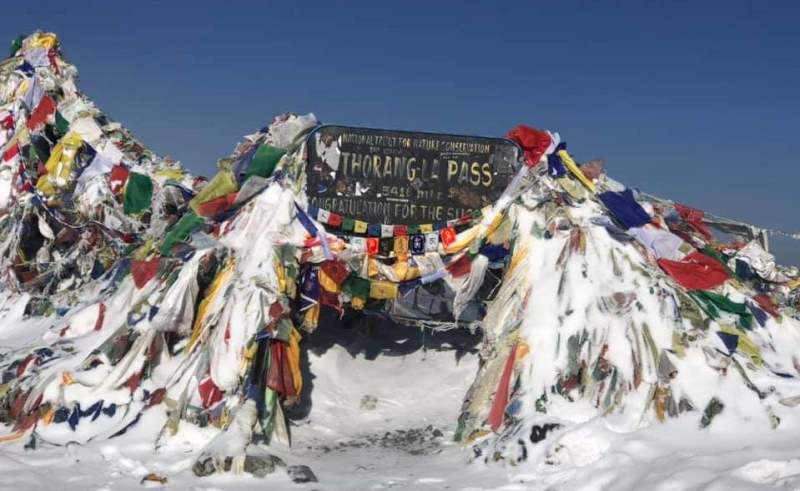
The Annapurna Circuit Trek is one of Nepal’s most famous and rewarding trekking experiences, offering a perfect blend of natural beauty, cultural diversity, and adventure. Stretching across the Annapurna Himalayan range, this trek takes you through lush subtropical forests, terraced farmlands, high mountain passes, and remote traditional villages. Trekkers are treated to panoramic views of majestic peaks such as Annapurna I, Dhaulagiri, Machapuchare (Fishtail), and Manaslu. Along the way, you can experience the rich culture of local communities, including Gurung, Thakali, and Manangi traditions. The route also features stunning rivers, waterfalls, and natural hot springs, making it a complete Himalayan adventure. Suitable for moderately experienced trekkers, the Annapurna Circuit is a must-do journey for those seeking breathtaking landscapes and authentic Nepalese culture.
Annapurna Circuit Trek – Outline Itinerary
Day 1: Arrival in Kathmandu (1,300m) – Airport pick-up, overnight stay in hotel.
Day 2: Drive/flight to Besi Sahar (760m), then jeep to Bhulbhule (840m) – Trek preparation, short hike.
Day 3: Bhulbhule to Jagat (1,300m) – 5–6 hours trekking, cross Marsyangdi River, traditional villages.
Day 4: Jagat to Dharapani (1,860m) – 6–7 hours, terraced fields, riverside trails.
Day 5: Dharapani to Chame (2,710m) – 5–6 hours, pine forests, local culture.
Day 6: Chame to Upper Pisang (3,300m) – 5 hours, panoramic views of Annapurna II & IV.
Day 7: Upper Pisang to Manang (3,540m) – 6–7 hours, cross glaciers, see Chugkar Viewpoint.
Day 8: Acclimatization day in Manang – Short hike to nearby viewpoints, rest.
Day 9: Manang to Yak Kharka (4,050m) – 4–5 hours, snowy landscapes, mountain views.
Day 10: Yak Kharka to Thorong Phedi (4,540m) – 3–4 hours, prepare for Thorong La Pass.
Day 11: Thorong Phedi to Muktinath via Thorong La Pass (5,416m) – 7–9 hours, highest point of trek.
Day 12: Muktinath to Jomsom (2,715m) – 4–5 hours, descend through Kali Gandaki Valley.
Day 13: Jomsom to Pokhara (2,500m) – Flight or jeep, relax by Phewa Lake.
Day 14: Pokhara to Kathmandu – Scenic drive or flight, final departure.
Annapurna Circuit Trek – Tips
- Best time to go: September–November (autumn) & March–May (spring) for clear skies.
- Permits required: Annapurna Conservation Area Permit (ACAP).
- Fitness level: Moderate; prior trekking experience recommended.
- Packing essentials: Warm clothing, trekking boots, trekking poles, sun protection, water bottle.
- Health & safety: Stay hydrated, take rest days, consider altitude sickness prevention.
- Connectivity: Mobile signal is intermittent; limited Wi-Fi in major teahouses.
- Accommodation: Tea houses and lodges along the route, basic but clean.
4. Ghorepani Poon Hill Trek

Introduction
The Ghorepani Poon Hill Trek is one of Nepal’s most popular short treks, perfect for beginners and those with limited time. This trek offers spectacular panoramic views of the Annapurna and Dhaulagiri mountain ranges, including famous peaks like Annapurna South, Machapuchhre (Fishtail), and Hiunchuli. The trail passes through charming Gurung and Magar villages, dense rhododendron forests, terraced fields, and lush valleys. Poon Hill, at an altitude of 3,210 meters, is the trek’s highlight, providing a breathtaking sunrise view over the Himalayas. The trek is well-supported with comfortable tea houses along the route and offers a cultural experience of traditional village life in the Annapurna region. This trek is ideal for those seeking natural beauty, mountain vistas, and a short adventure in the Himalayas.
Ghorepani Poon Hill Trek – Outline Itinerary
Day 1: Kathmandu to Pokhara
- Travel: 6–7 hours by tourist bus/private vehicle
- Activity: Scenic drive through the hills, optional boating on Phewa Lake
- Accommodation: Hotel in Pokhara
Day 2: Pokhara to Nayapul – Trek to Tikhedhunga
- Trekking Distance: 8 km
- Trekking Time: 4–5 hours
- Altitude: 1,540 m
- Highlights: Riverside trail, lush forests, local villages
- Accommodation: Teahouse in Tikhedhunga
Day 3: Tikhedhunga to Ghorepani
- Trekking Distance: 12 km
- Trekking Time: 6–7 hours
- Altitude: 2,860 m
- Highlights: Rhododendron forests, terraced fields, small villages
- Accommodation: Teahouse in Ghorepani
Day 4: Ghorepani to Poon Hill (Sunrise) – Trek to Tadapani
- Trekking Distance: 12 km
- Trekking Time: 6–7 hours
- Altitude: Poon Hill (3,210 m)
- Highlights: Sunrise over Annapurna & Dhaulagiri, panoramic mountain views, trekking through forests
- Accommodation: Teahouse in Tadapani
Day 5: Tadapani to Ghandruk
- Trekking Distance: 10 km
- Trekking Time: 5–6 hours
- Altitude: 1,940 m
- Highlights: Scenic village walk, terraced fields, traditional Gurung culture
- Accommodation: Teahouse in Ghandruk
Day 6: Ghandruk to Nayapul – Drive to Pokhara
- Trekking Distance: 12 km
- Trekking Time: 5–6 hours
- Highlights: Village scenery, river valley
- Travel: Drive back to Pokhara
- Accommodation: Hotel in Pokhara
Day 7: Pokhara to Kathmandu
- Travel: 6–7 hours by bus/private vehicle
- Activity: Relax, optional sightseeing in Kathmandu
Trekking Tips for Ghorepani Poon Hill
- Best Time to Go: October–December and March–May for clear mountain views.
- Difficulty Level: Easy to moderate; suitable for beginners.
- Gear: Warm clothes, trekking boots, a walking stick, a raincoat, and layered clothing.
- Permits Required: Annapurna Conservation Area Permit (ACAP) and TIMS (if needed).
- Accommodation: Tea houses along the trail; basic facilities available.
- Altitude Sickness: Poon Hill is at a moderate altitude; stay hydrated and walk at a comfortable pace.
- Travel Agency Services: For guided treks, porter service, and arranged accommodations, consider trekking with a professional agency like Safe Holiday Adventure Pvt. Ltd.
5. Manaslu Circuit Trek
Introduction:
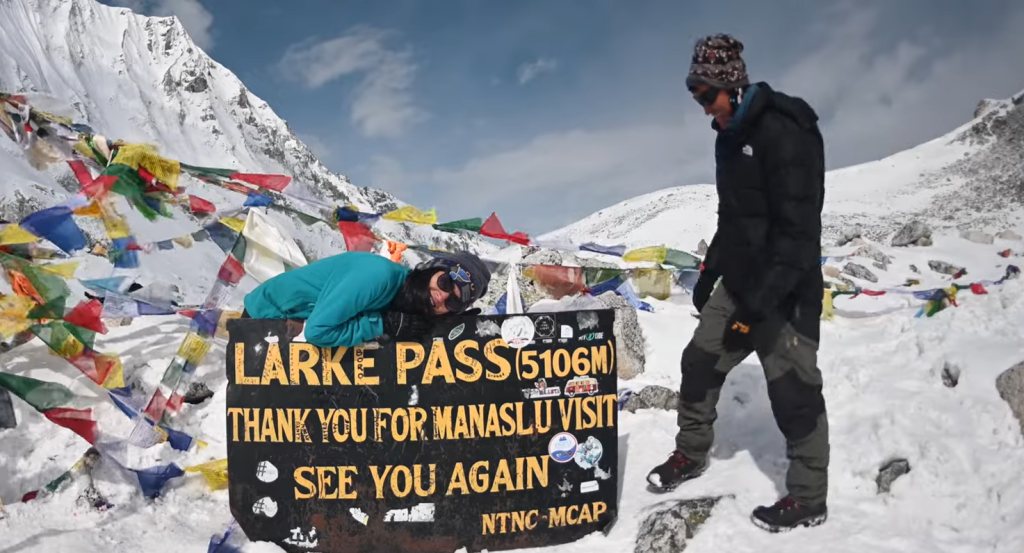
The Manaslu Circuit Trek is a spectacular adventure in Nepal, offering trekkers an off-the-beaten-path experience with breathtaking Himalayan scenery. Encircling Mount Manaslu (8,163 m), the eighth-highest mountain in the world, this trek showcases stunning landscapes, rich cultural diversity, and traditional Tibetan-influenced villages. Along the trail, trekkers cross high mountain passes, traverse lush forests, and enjoy serene rivers and glacial valleys. The route provides opportunities to witness local Gurung and Tibetan communities, ancient monasteries, mani walls, and prayer flags that create a spiritual ambiance. With a combination of moderate to challenging trekking trails, the Manaslu Circuit is ideal for adventurers seeking solitude, pristine nature, and panoramic views of peaks like Himalchuli, Ngadi Chuli, and Annapurna II. This trek is well-managed with tea houses and lodges along the trail and requires special permits.
Manaslu Circuit Trek – Outline Itinerary (14 Days)
Day 1: Drive from Kathmandu to Soti Khola (Approx. 7–8 hours) – Scenic drive along Trishuli and Budhi Gandaki rivers.
Day 2: Trek from Soti Khola to Machha Khola (6–7 hours) – Riverside trail, lush forests, suspension bridges.
Day 3: Trek to Jagat (6–7 hours) – Cross Budi Gandaki, visit local villages, rice terraces.
Day 4: Trek to Deng (6 hours) – Forests, waterfalls, small villages.
Day 5: Trek to Namrung (5–6 hours) – Views of Himlung Himal, cultural stops in Tibetan-influenced villages.
Day 6: Trek to Lho (5–6 hours) – Buddhist monasteries, Mani walls, local temples.
Day 7: Trek to Samagaon (4–5 hours) – Stunning views of Mount Manaslu, glaciers, ancient monasteries.
Day 8: Rest day at Samagaon – Explore Manaslu Base Camp and Pungyen Gompa.
Day 9: Trek to Samdo (3–4 hours) – High-altitude preparation, Tibetan villages.
Day 10: Trek to Larkya Phedi (5–6 hours) – Start ascent to Larkya La Pass.
Day 11: Cross Larkya La Pass (5,106 m) and trek to Bimtang (8–10 hours) – Long day, alpine scenery, glaciers, panoramic Himalayan views.
Day 12: Trek to Dharapani (6–7 hours) – Descend through rhododendron forests, waterfalls.
Day 13: Trek to Jagat and drive to Kathmandu (7–8 hours) – Scenic valley views.
Day 14: Rest and leisure in Kathmandu, shopping, and sightseeing.
Essential Tips for the Manaslu Circuit Trek
- Permits: Restricted Area Permit (RAC), Annapurna Conservation Area Permit (ACAP), and TIMS (if required).
- Best Season: Autumn (September–November) and Spring (March–May).
- Difficulty Level: Moderate to strenuous; high-altitude trekking experience recommended.
- Accommodation: Tea houses and lodges along the trail; basic facilities at high altitudes.
- Altitude Sickness: Take enough time to acclimatize, especially near Larkya La Pass.
- Guides & Porters: Strongly recommended due to the remote location and permit regulations.
- Packing: Warm clothing, trekking boots, sleeping bag, trekking poles, water purifier, and sun protection.
6. Upper Mustang Trek
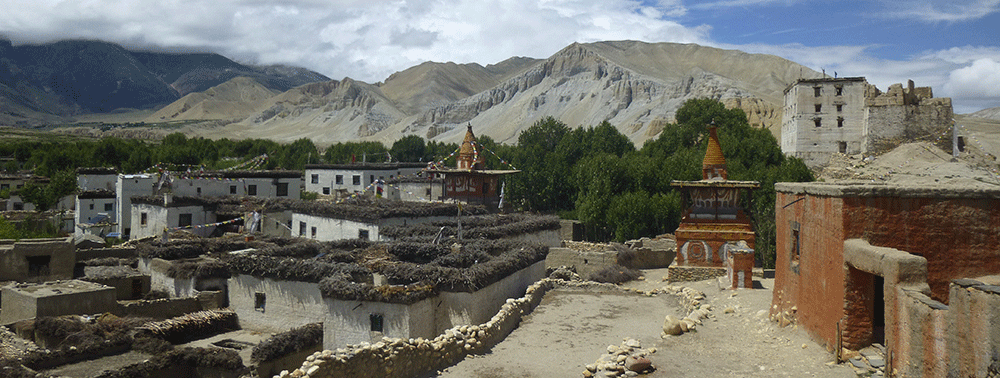
The Upper Mustang Trek is a unique journey into the hidden kingdom of Lo in northern Nepal. Known as the Last Forbidden Kingdom, Mustang offers a mix of Tibetan culture, ancient monasteries, desert landscapes, and dramatic canyons. Trekkers explore traditional villages, cave dwellings, and stunning views of the Annapurna and Dhaulagiri ranges. This trek is perfect for those seeking off-the-beaten-path adventure with minimal crowds. The trail is dry and windy, with spectacular sunsets and sunrise views. Safe Holiday Adventure Pvt. Ltd. provides expert guides, porters, and full support to make this journey safe, memorable, and culturally enriching.
Duration: 10–14 days
Difficulty: Moderate
Best Time: March–May & September–November
Day 1: Kathmandu to Pokhara
- Travel: Drive or flight to Pokhara (820 m)
- Tip: Enjoy the Phewa Lake view and prepare trekking gear.
Day 2: Pokhara to Jomsom
- Travel: Flight to Jomsom (2,720 m)
- Tip: Short acclimatization and explore Jomsom bazaar.
Day 3: Jomsom to Kagbeni
- Trek Distance: 20 km | Altitude: 2,800 m | Duration: 6–7 hrs
- Tip: First village inside Mustang; check permits at entry.
Day 4: Kagbeni to Chele
- Trek Distance: 14 km | Altitude: 3,050 m | Duration: 5–6 hrs
- Tip: Pass through barren landscapes; watch for desert-like wind.
Day 5: Chele to Ghemi
- Trek Distance: 15 km | Altitude: 3,450 m | Duration: 5–6 hrs
- Tip: Observe traditional Mustang villages and Tibetan culture.
Day 6: Ghemi to Tsarang
- Trek Distance: 16 km | Altitude: 3,580 m | Duration: 5–6 hrs
- Tip: Visit the ancient monasteries and the royal palace in Tsarang.
Day 7: Tsarang to Lo Manthang
- Trek Distance: 14 km | Altitude: 3,840 m | Duration: 5 hrs
- Tip: Enter the walled capital; explore Lo Manthang’s palace and monastery.
Day 8: Lo Manthang – Rest Day
- Tip: Acclimatization day; visit caves, monasteries, and interact with locals.
Day 9: Lo Manthang to Ghami
- Trek Distance: 18 km | Altitude: 3,500 m | Duration: 6–7 hrs
- Tip: Enjoy valley views and cliffside villages.
Day 10: Ghami to Chhoser
- Trek Distance: 15 km | Altitude: 3,200 m | Duration: 5–6 hrs
- Tip: Pass the famous caves of Chhoser; learn about ancient dwellings.
Day 11: Chhoser to Kagbeni
- Trek Distance: 18 km | Altitude: 2,800 m | Duration: 6–7 hrs
- Tip: Retrace steps through the Kali Gandaki valley.
Day 12: Kagbeni to Jomsom – Flight to Pokhara
- Tip: Prepare for flight; relax in Pokhara.
Day 13: Pokhara to Kathmandu
- Travel: Drive or flight back to Kathmandu
- Tip: End of trek; enjoy city life and shopping.
Essential Tips for Upper Mustang Trek:
- Permit: Must have Upper Mustang Restricted Area Permit.
- Weather: Cold and dry; bring layered clothing.
- Accommodation: Basic lodges; carry cash as ATMs are rare.
- Water: Boil or use purification tablets.
- Fitness: Moderate; suitable for trekkers with previous experience.
- Altitude: Maximum at Lo Manthang (3,840 m); minimal risk of altitude sickness.
7. Langtang Valley Trek
Introduction:
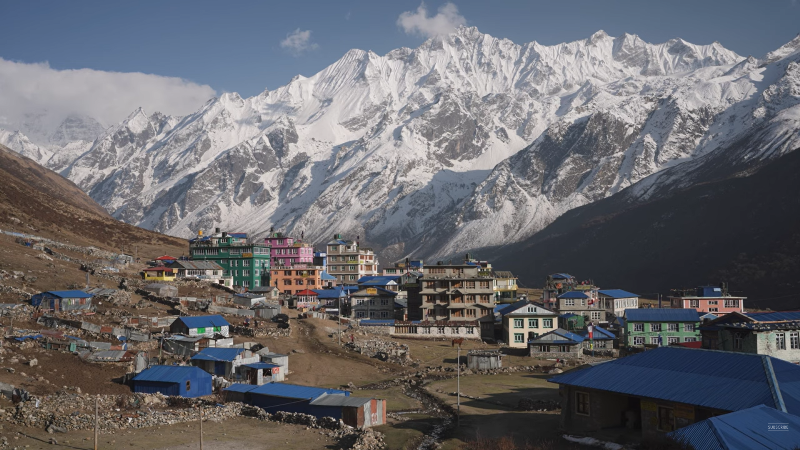
The Langtang Valley Trek is a stunning journey through the Langtang National Park, located north of Kathmandu. This trek offers a perfect mix of natural beauty and cultural experiences, with views of snow-capped peaks, glacial valleys, and cascading waterfalls. Trekkers pass through traditional Tamang villages, ancient monasteries, and mani walls, giving a glimpse into Tibetan-influenced culture. The trail is moderate in difficulty, suitable for those with some trekking experience. The trek is accessible year-round, though the best seasons are spring (March–May) and autumn (September–November), when the weather is clear and the landscapes vibrant.
Langtang Valley Trek – Itinerary Outline
Day 1: Kathmandu to Syabrubesi
- Travel: Drive from Kathmandu (approx. 6–7 hrs) | Altitude: 1,540 m
- Tip: Scenic drive through Trishuli Valley; prepare trekking gear.
Day 2: Syabrubesi to Lama Hotel
- Trek Distance: 8 km | Altitude: 2,350 m | Duration: 4–5 hrs
- Tip: Enter Langtang National Park; enjoy forested trails and river views.
Day 3: Lama Hotel to Langtang Village
- Trek Distance: 10 km | Altitude: 3,430 m | Duration: 5–6 hrs
- Tip: Visit the Tamang villages; see monasteries and traditional houses.
Day 4: Langtang Village to Kyanjin Gompa
- Trek Distance: 5 km | Altitude: 3,870 m | Duration: 3–4 hrs
- Tip: Explore Kyanjin Gompa monastery; optional hike to Kyanjin Ri (4,773 m) for panoramic views.
Day 5: Acclimatization Day at Kyanjin Gompa
- Tip: Hike nearby glaciers, Tserko Ri, and enjoy mountain scenery; rest to adjust to altitude.
Day 6: Kyanjin Gompa to Lama Hotel
- Trek Distance: 15 km | Altitude: 2,350 m | Duration: 6–7 hrs
- Tip: Descend through lush forests and riverside trails.
Day 7: Lama Hotel to Syabrubesi
- Trek Distance: 8 km | Altitude: 1,540 m | Duration: 4–5 hrs
- Tip: Relax after trekking; enjoy village life.
Day 8: Syabrubesi to Kathmandu
- Travel: Drive back to Kathmandu (6–7 hrs)
- Tip: End of trek; explore the city or rest.
Essential Tips for Langtang Valley Trek:
- Permit: Langtang National Park Permit and TIMS card required.
- Accommodation: Tea houses and lodges available; basic but comfortable.
- Water: Boil or use purification tablets; carry enough for day hikes.
- Weather: Cold in higher altitudes; bring warm layers and rain gear.
- Fitness: Moderate; suitable for trekkers with prior experience.
- Altitude: Max at Kyanjin Gompa (~3,870 m); low to moderate risk of altitude sickness.
8. Gokyo Lakes Trek
Introduction:
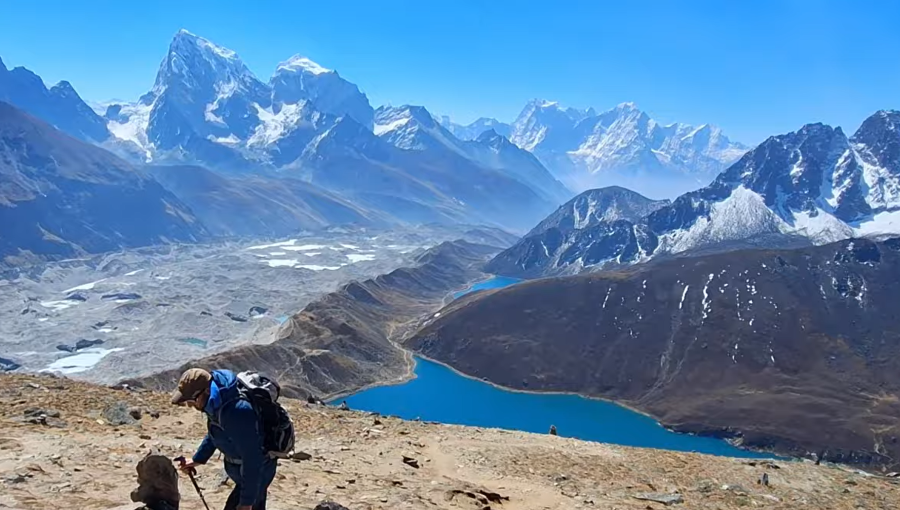
The Gokyo Lakes Trek is one of Nepal’s most scenic high-altitude treks, offering spectacular views of the Himalayas, including Mount Everest, Cho Oyu, and Makalu. This trek takes you through the beautiful Khumbu region, where turquoise glacial lakes, serene villages, and lush rhododendron forests create an unforgettable journey. Unlike the traditional Everest Base Camp trek, the Gokyo Lakes route is quieter, giving trekkers a peaceful experience amid nature. Gokyo Ri, a nearby peak, offers a panoramic viewpoint that rivals Kala Patthar, giving unmatched vistas of surrounding snow-capped peaks and the famous Ngozumpa Glacier, the largest in Nepal. The trek also introduces you to Sherpa culture, monasteries, and mani walls in remote villages, making it a culturally enriching adventure. Ideal for trekkers seeking moderate difficulty with rewarding scenery, the Gokyo Lakes Trek is perfect for photographers, nature lovers, and those who want to experience the Himalayas away from the crowds.
Gokyo Lakes Trek – Outline Itinerary (list style with altitude)
Day 1: Kathmandu to Lukla flight, trek to Phakding (2,610 m)
Day 2: Phakding to Namche Bazaar (3,440 m)
Day 3: Acclimatization at Namche Bazaar (optional short hikes)
Day 4: Namche Bazaar to Dole (4,030 m)
Day 5: Dole to Machhermo (4,470 m)
Day 6: Machhermo to Gokyo (4,790 m)
Day 7: Explore Gokyo Lakes and hike Gokyo Ri (5,357 m)
Day 8: Gokyo to Thagnak (4,700 m)
Day 9: Thagnak to Lukla (2,860 m)
Day 10: Fly back to Kathmandu
Essential Tips for Gokyo Lakes Trek
- Best trekking season: Autumn (Sept–Nov) and Spring (Mar–May)
- Pack warm clothing; temperatures drop significantly at night
- Carry trekking permits: Sagarmatha National Park Permit & TIMS card
- Stay hydrated and allow time for acclimatization
- Use trekking poles to reduce knee strain on steep trails
- Book flights to/from Lukla in advance due to weather delays
- Respect local culture and monasteries in villages
9. Mardi Himal Trek
Introduction:
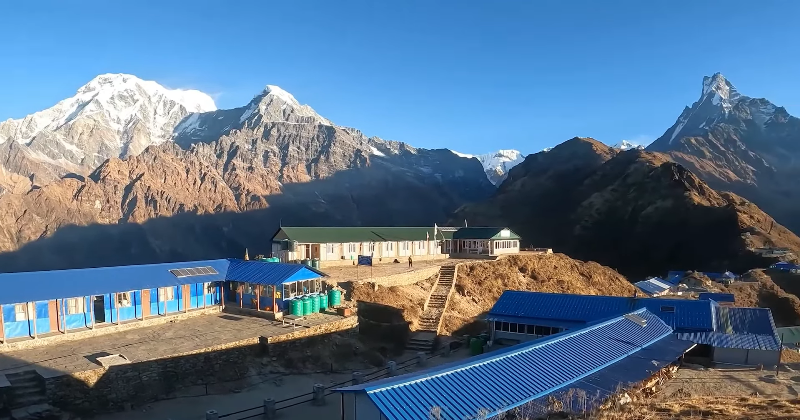
Mardi Himal Trek is a beautiful and less crowded trek in the Annapurna region of Nepal. It offers amazing views of Annapurna South, Machapuchare (Fishtail), and Hiunchuli mountains. The trail passes through rhododendron and oak forests, small villages, and traditional Gurung settlements, giving trekkers a mix of nature and culture. Unlike some popular treks, Mardi Himal is peaceful, making it perfect for those who want solitude and photography opportunities. The trek leads to Mardi Himal Base Camp (4,500 m) and an optional viewpoint at High Camp (4,500–4,600 m) with breathtaking sunrise views of the Himalayan peaks. The route is moderately challenging, suitable for trekkers with basic fitness, and provides a memorable experience of the Annapurna landscape. Local lodges along the trail offer food and accommodation, making the trek comfortable yet adventurous.
Mardi Himal Trek – Outline Itinerary (list style with altitude)
Day 1: Drive from Pokhara to Kande, trek to Australian Camp (1,950 m)
Day 2: Australian Camp to Forest Camp (2,400 m)
Day 3: Forest Camp to Low Camp (3,050 m)
Day 4: Low Camp to High Camp (4,450 m), optional Mardi Himal Base Camp (4,500 m)
Day 5: High Camp to Siding Village (2,800 m)
Day 6: Siding to Pokhara (910 m)
Essential Tips for Mardi Himal Trek
- Best trekking season: Autumn (Sept–Nov) and Spring (Mar–May)
- Pack warm clothing for high altitudes; nights are cold
- Stay hydrated and take it slow to avoid altitude sickness
- Trekking poles help on steep sections
- Respect local culture and customs in villages
- Book Pokhara transport in advance for a smooth start and end
- Good photography opportunities, especially at sunrise from High Camp
10. Kanchenjunga Base Camp Trek
Introduction:
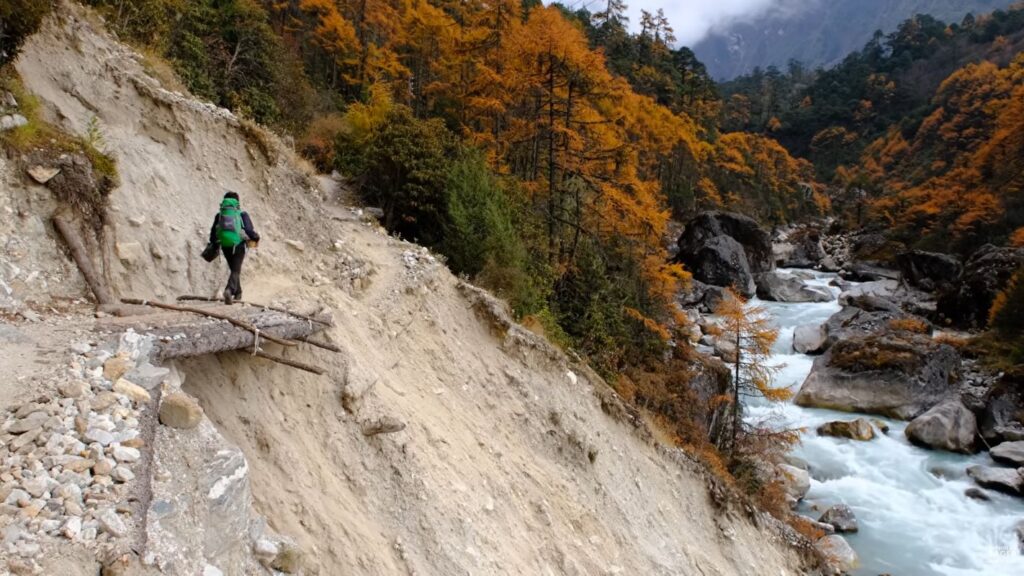
Kanchenjunga Base Camp Trek is a remote and adventurous trek in eastern Nepal, offering stunning views of the world’s third-highest mountain, Kanchenjunga (8,586 m). This trek passes through pristine forests, high-altitude meadows, glacial rivers, and traditional villages of the Limbu and Sherpa communities. The trail is less crowded, providing a peaceful experience for trekkers who love solitude and nature. Along the route, trekkers can explore beautiful rhododendron forests, high mountain passes, and serene alpine lakes. The base camp itself offers a breathtaking panorama of Kanchenjunga and the surrounding peaks. This trek is moderately to highly challenging and is best suited for experienced trekkers with good fitness. The journey is also culturally enriching, as it passes through remote villages where you can interact with locals and see traditional lifestyles. Kanchenjunga Base Camp Trek is ideal for adventurers seeking pristine landscapes, dramatic mountain views, and a true off-the-beaten-path Himalayan experience.
Kanchenjunga Base Camp Trek – Outline Itinerary
Day 1: Drive from Birtamod to Taplejung (1,540 m)
Day 2: Taplejung to Lelep (2,350 m)
Day 3: Lelep to Yamphudin (2,550 m)
Day 4: Yamphudin to Amphu Labtsa (3,200 m)
Day 5: Amphu Labtsa to Kanchenjunga Base Camp via Pangpema (5,143 m)
Day 6: Explore the Kanchenjunga Base Camp area
Day 7: Base Camp to Kambachen (4,100 m)
Day 8: Kambachen to Ghunsa (3,400 m)
Day 9: Ghunsa to Taplejung (1,540 m)
Day 10: Drive back to Birtamod or Biratnagar
Essential Tips for Kanchenjunga Base Camp Trek
- Best trekking season: Autumn (Sept–Nov) and Spring (Mar–May)
- Strong fitness is required due to long days and high altitudes
- Carry warm clothing and gear for cold nights and possible snow
- Acclimatization days are important to avoid altitude sickness
- Trekking poles are recommended for steep trails and rocky paths
- Permits required: Kanchenjunga Conservation Area Permit (KCAP) and TIMS card
- Limited lodges in remote areas; book in advance if possible
- Respect local customs and villages along the trek
✅ Essential Trekking Tips for Nepal
- Choose the Right Trek: Match your fitness, experience, and season.
- Best Seasons: Autumn (Sept–Nov) & Spring (Mar–May). Avoid monsoon (Jun–Aug).
- Pack Smart: Warm layers, waterproof jacket, hiking boots, trekking socks, hat, gloves, sunglasses, sunscreen.
- Stay Hydrated & Eat Well: Keep energy high.
- Acclimatize: Ascend slowly, rest days, monitor altitude sickness.
- Hire Guide & Porter: Guides know trails and culture; porters carry heavy luggage.
- Respect Local Culture: Greet with “Namaste,” dress modestly, and follow monastery rules.
- Carry Cash: Small villages may lack ATMs.
- Environmental Care: Don’t litter; use refillable bottles.
- First Aid & Safety: Include basic medicines and altitude sickness tablets.
Nepal Everest Guide organizes all these treks with experienced guides, porters, permits, and full trekking arrangements, ensuring your adventure in Nepal is safe, memorable, and hassle-free.
📧 Email: nepaleverestguide@gmail.com
📱 Call/WhatsApp: +977 9849116284